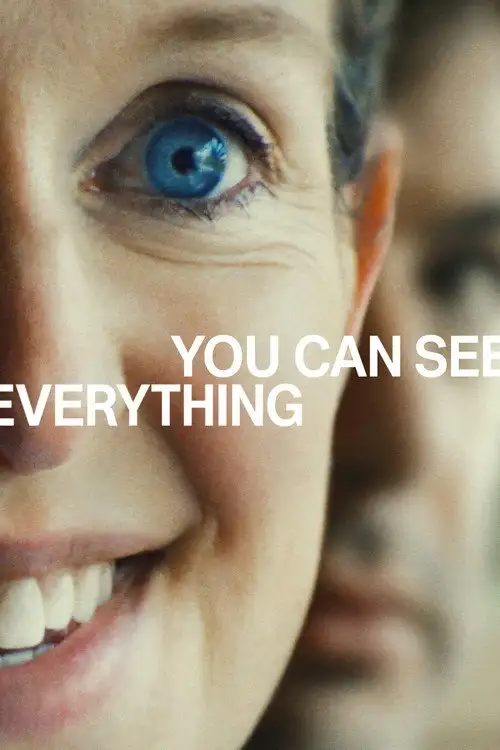
You Can See Everything
Storyline
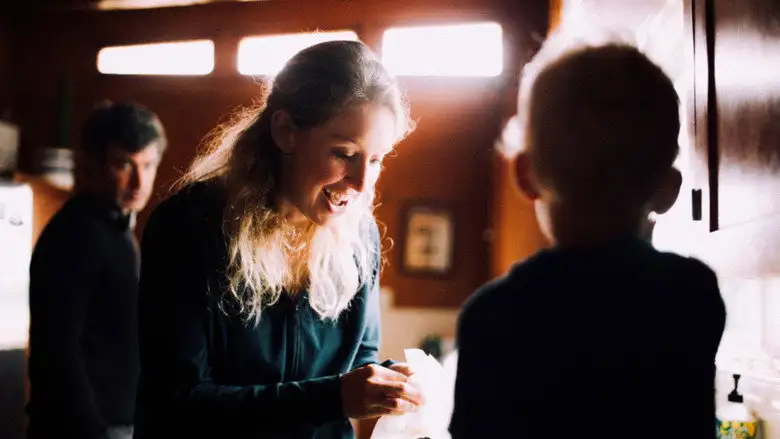
Thirty-four days before she's sent to prison, notorious Silicon Valley founder Elizabeth Holmes invites a skeptical film crew to document her every move. What begins as an intimate portrait of an enigmatic felon becomes a mind-bending three-year journey into the abyss.
About You Can See Everything
Introduction Prepare for a cinematic experience unlike any other with "You Can See Everything," the highly anticipated 2026 film that blurs the lines between documentary and psychological thriller. Boasting an impressive IMDb rating of 7.4/10 and a substantial runtime of 2 hours and 54 minutes, this English-language feature from the United States of America has already generated significant buzz. It promises not just a story, but an immersive journey into the psyche of one of Silicon Valley's most notorious figures, challenging perceptions and leaving audiences questioning reality itself.
Story Overview "You Can See Everything" plunges us directly into the life of Elizabeth Holmes, precisely thirty-four days before her impending imprisonment. The premise is deceptively simple: Holmes invites a skeptical film crew to meticulously document her every move during these final days of relative freedom. What begins as an intimate, almost voyeuristic, portrait of an enigmatic felon quickly unravels into something far more profound and unsettling. The film evolves beyond its initial scope, becoming a mind-bending three-year journey into the abyss, exploring themes of truth, deception, and the construction of identity under the relentless gaze of the public and, indeed, the camera.
Head over to MoviesHubs to watch "You Can See Everything" free without any subscription.
Cast and Performances The casting in "You Can See Everything" is as unconventional as its narrative. Elizabeth Holmes herself takes center stage, an astonishing decision that adds an unparalleled layer of meta-commentary and authenticity to her portrayal. She is joined by the masterful Nathan Fielder, whose signature blend of awkward realism and profound insight is perfectly suited for his role within the film crew. Amanda Seyfried, known for her captivating performances, and Christopher Abbott also deliver nuanced turns, contributing to the film's complex tapestry. The inclusion of Billy Evans, William Holmes Evans, and Invicta Holmes Evans further blurs the lines between reality and fiction, creating an unsettling intimacy that few films achieve. Lance Oppenheim's involvement behind the camera, as well as in a credited role, hints at the innovative documentary-style filmmaking at play.
Why You Should Watch It This isn't just another biopic; "You Can See Everything" is a groundbreaking piece of cinema that demands your attention. Its unique premise, featuring Elizabeth Holmes playing herself, offers an unprecedented look into a public figure’s self-perception and narrative control. For fans of psychological dramas, meta-narratives, and films that challenge traditional storytelling, this movie is a must-see. The extensive runtime suggests a deep, unhurried exploration, allowing the "mind-bending" elements to truly sink in. It’s a film that will spark conversations, provoke thought, and stay with you long after the credits roll, exploring the profound implications of documentation and perception in the digital age.
Final Verdict "You Can See Everything" is an audacious and utterly compelling film that defies easy categorization. It's a bold experiment in filmmaking that successfully merges real-life drama with a deeply psychological and often unsettling narrative. The performances, particularly from Holmes herself and Nathan Fielder, anchor this ambitious project, making the three-year descent into the "abyss" a truly unforgettable experience. For those seeking cinema that pushes boundaries and offers a thought-provoking examination of truth, identity, and the power of the lens, this 2026 release is an absolute triumph and an essential watch.
You might also like:
Comments (0)
Login to post a comment.
No comments yet. Be the first to comment!


